
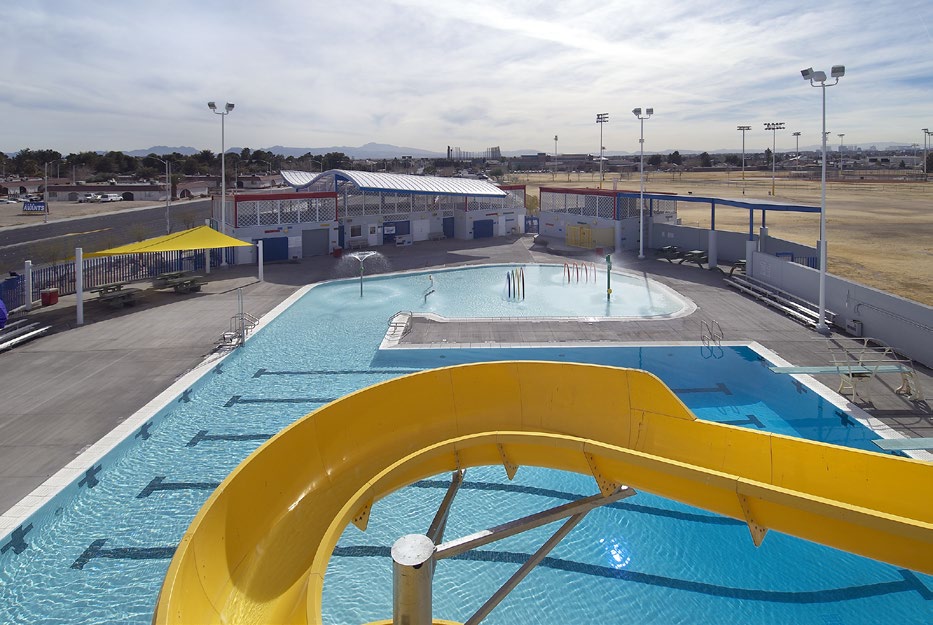
There will be one less item on the November ballot after the Visalia City Council decided not to ask voters for approval of a new sales tax to cover the cost of unfunded capital improvement projects already in the works, including an aquatics center, the East Side Regional Park and the third and final phase of the incomplete civic center project.
Council Divided on Unclear Motion
In a split 3-2 vote at their March 2 meeting, members of the Visalia City Council declined to spend $45,000 for a survey of voters to gauge their support for a 0.75% sales tax. Voting for the measure were Councilman Emmanuel Soto and Vice Mayor Liz Wynn. Opposing the item were councilmen Brian Poochigian and Steve Nelsen, and Mayor Brett Taylor, who had previously supported it.
The revenue generated by the tax would have been earmarked for construction projects the city expects to complete during the next decades. Those projects include upgrades to the Visalia Convention Center, improvements to the Senior Center and the long-awaited aquatics center.
In recent years, voters in Visalia have approved two similar sales tax measures: Measure N for items like public safety, road construction and parks maintenance, and Measure T to fund the needs of the fire and police departments. The idea of asking voters to approve a third tax measure, one to fund so-called capital improvement projects, such as building new facilities and upgrading existing ones, was introduced back on January 20, when the council was looking again at costs and specifications for an aquatics park.
However, the wording of the item considered March 2 apparently wasn’t clear in the minds of the council members. Poochigian and Nelsen stated the proposed tax was only to fund the aquatics center, while Soto, who proposed it in January, said the tax revenue would be used for the long list of underfunded and unfunded projects City Hall is planning.
Mayor Wants Citizens to Take a Leading Role
But the deciding no vote that put the item to rest came from Mayor Taylor, who believes it should be citizens not the council who get the proposed tax measure in front of voters.
“If we had funds for pools and parks and East Side Regional Park, and if we could do it all tomorrow, that’d be fantastic,” Taylor said. “My eyes are wide and my tail is bushy over the potential of getting $100 million, $200 million, whatever it would get from this potential tax measure, but I always said it shouldn’t be coming from the council.”
Previous voter-approved sales tax increases, which were initiated by the council, have targeted immediate and pressing needs, and Taylor doesn’t see the urgency this time. But if citizens do see that need, he would like them to take the lead.
“If it was a major need – police, fire – that’s a different story,” he said. “I want this to come from the citizens. I want it to be a citizen-based ballot measure.”
Swimming Pool Talk Turned into Tax Measure Study
Back on January 20, after hearing about the costs and benefits of an aquatics center with both a competitive 50-meter pool and a large recreational pool for general use – 64% of the $1 million annual operating cost is labor, and 24% utilities, with the facility fees generating about half that amount – the council ultimately decided to have the staff at Parks and Rec investigate funding costs for either a one-time construction project or a phased project, as well as coming up with an initial project timeline.
But before that happened, they questioned Parks and Rec director Jason Glick about funding on hand for a swimming facility.
“We have no funding available right now,” he said.
City Manager Leslie Caviglia said a city-owned property purchased with Parks and Rec funds could be sold, and the income used for the aquatics center. The land is located at Akers Road and Riggen Avenue.
“There has been discussion that that could then be used to start a pool project,” she said. “We will be getting additional impact fees and, if you direct us, then we go out and figure out what to do. There are limitations, and then there can be tradeoffs with other projects.”
“Tradeoffs” in this case could mean delaying other projects and redirecting funding to the pools. Caviglia also introduced the idea of sales tax as a funding source. That was when Poochigian tried to put the brakes on discussion, using the ongoing three-phase Civic Center construction project as an example.
“We planned the Civic Center for 20-plus years. So for anyone who thinks this is going to be a quick decision that we’re going to vote on this, and then be done, I just want to put this in perspective that we are a government agency that doesn’t make snap decisions,” he said. “We make long-term plans, and that’s the way the city looks the way it does today.”
Poochigian cautioned construction of an aquatic center is still years in the future. Going slowly prevents mistakes, he added.
“We put a lot of thought into things. So anybody who thinks we’re going to have a swimming pool in a year, just look at the timeline. It’s not going to happen. But we want to make sure we do things correctly,” he said. “I want to temper expectations. I know there’s an article in the Valley Voice that says there’s a swimming pool coming. That doesn’t mean it’s going to be coming soon.”
That’s when Councilman Soto introduced the idea of putting a tax measure before voters.
“The one thing we can do is instead of making it 20 years, we could make it five to 10 years,” Soto said. “That can be with a sales tax measure that we let the voters vote on, and then set priorities.”
City Needs the Money, but Council Hasn’t Planned How to Spend It
Soto’s proposal would have seen voters asked to increase the city sales tax rate by 0.75%, an amount equal to the combined income of Measure N and Measure T. Those taxes generated $25 million over the last year, and the capital improvements sales tax measure should earn a similar amount.
But how the council would use that money hasn’t been discussed yet.
“How we set that percentage-wise, 70/30 with new projects opposed to current projects, that’s up for debate,” Soto said. “Measure T, which is 1/4 of a cent, and Measure N, which is half a cent, which is 3/4 cent by extension, generated about $25 million just this last year.”
The sales tax measure could have appeared on the ballot as early as November of this year. Had it done so and voters approved it, the city would have started seeing that revenue come in during fiscal year 2027-28. Soto said the need for added income is clear in planning documents.
“We have a $10 million shortfall on Parks and Rec as we speak,” he said. “This funding for the next couple of years, whether we set a timeline on it or not, would help tremendously with all the CIP (capital improvement projects) we’ve been discussing for the last couple months.”
Councilman Poochigian refused to support any move to increase taxes, while Councilman Nelsen expressed his doubts voters would OK added taxes.
“I disagree on a sales tax measure. There are other agencies looking at sales tax measures, and in the current economy, I question if a sales tax… (could get approved),” he said. “You only get one chance at a sales tax measure, and then you have to wait a while. You have got to make sure it goes through.”
Vice Mayor Wynn also supports the sales tax idea.
“I’d love to see us look at a sales tax measure that wouldn’t just be for the pool, but other recreation,” she said. “We’ve got a senior center that needs help. We’ve got a shortfall in our parks. There’s other things that are quality-of-life issues here in Visalia, and when you spread it out over a sales tax measure it’s not just people from Visalia that are helping with that burden.”
Wynn also wants to see the results of a survey of voters.
“If they come back and say no way, then we’ll have to get creative,” she said.
While Mayor Taylor supported the survey when it was proposed in January, he was worried there was no income stream to pay for the $1 million in annual upkeep an aquatics center will require.
“My worry is the cost. Saddling our community with a million dollars in debt a year, that can be dangerous. I’m not going to go into debt just to get a party pool,” he said, adding that community support is strong for public pools, but he wants more citizen involvement in finding the money to build them.
“I would like to see the community get together and see if we can really put something together,” he said.
Opposition Says Council Moving Too Fast
All that discussion, however, was at the first council meeting of the year. Two months later issues had ripened, and some opinions had changed.
When the topic was introduced at the March 2 meeting, it met with pushback, starting with objections from someone with extensive experience getting the voting public’s support behind a sales tax measure.
“I’m asking the council to … vote no on spending the money for a survey,” said Visalia resident Harold Myers. “I’ve served on two citizen committees for the city council to evaluate potential tax measures. In both cases, the process started with identifying a clear need. Only after that did we look at surveys. That distinction matters, because there is a real difference between a need and a want.”
Poochigian then reiterated his anti-tax stance, yet offering his support for an aquatics center.
“Where I struggle with this is I don’t believe in taxing our individuals for something like this,” he said. “I think it needs to be well thought out. I’m not against the pool, but to just say we’re going to tax our residents, increase taxes for that, I’m totally against.”
He and Nelsen then stated their belief the proposed sales tax measure was intended only for an aquatics center. That was the item up for discussion when the idea of a new tax was introduced at the January meeting. The wording of the item voted on March 2 does not include limiting the use of revenue to any project or fund.
“If we do go down this path, the motion was to vote purely for parks and recreation. I don’t want this to play any games and pull public safety or any other organizations that pull just to get this passed,” Poochigian said. “If you guys do decide to go down this path, I do want to make sure that this is solely for a new swimming pool and a Parks and Recreation sales tax. I think it would be very dishonest if we try to play word games just to get this passed, just so we could get the funds.”
Nelsen agreed with Poochigian’s reasoning despite the lack of any spending limits in the item presented to the city council.
“If any other fluff is put on this, it’s dishonest,” he said, adding that the idea of a new sales tax was “a knee-jerk reaction” to the city’s budget gaps.
Tax Revenue Could Fund Any City Project
Soto countered that Nelsen and Poochigian misunderstood his intent when he proposed the sales tax idea in January. The funds would be available wherever they’re needed.
“I didn’t just say the pool when I mentioned this at the last meeting,” he said. “I mentioned the convention center, which needs a lot of funding, the Civic Center Phase 3, which we don’t have the complete funding for, yes, I mentioned the aquatic center, East Side Regional Park, the $10 million in funding that we don’t have for our current parks projects, and then just recently we’re losing a grant on public safety for clinicians on the HOPE (Homeless Outreach and Proactive Enforcement) team.”
Soto said the revenue stream could be used to fund any need the council perceives, not just those projects in the works that still lack funding.
“So this is for anything that we as a council see that the city needs,” he said. “Some of these things are quality-of-life items. I don’t want to plan here for an aquatics center, Civic Center Phase 3, convention center (and) East Side Regional Park that’s going to happen 40 years from now. I’d love to see it in the next 10 years if possible.”
Nelsen, while still voting no, said the idea was more appealing to him when presented in its intended form.
“If the motion included East (Side) Regional Park, convention center, civic center, and I forget the other litany of items you said, I probably would be more in support of putting a survey out, but my recollection is the vote was for a sales tax for the pool complex, which included a rec park and a humongous pool,” Nelsen said. “I think the timing is poor. I think the economy is poor.”
He suggested using the $45,000 consulting fee to fund parks already approved by the council that have no funding or too little.
“Take the $45,000 and put it in the inclusive park,” Nelsen said. That’s been languishing for seven fricking years. It’s time to complete what we start instead of setting up another Taj Mahal, and this is what you’re looking to do.”
With Wynn and Soto supporting the proposal, and Poochigian and Nelsen firmly against it, the deciding vote fell to Mayor Taylor. He became philosophical as he explained his reasoning, praising a recent presentation on City Hall’s recent accomplishments.
“We’ve been running this city so well, what’s left? Well, really, the life enjoyment, the parks and recreation,” Taylor said. “So I can see how we got here, because so many things have been going well, what other things can we do well?”
But the proposal before the council, he said, was too loose. City leaders need more time to think through the options and consequences.
“We’re trying to rush this through, and that’s something we’ve never done on this council,” Taylor said before casting the vote to stall the sales tax survey. “Let’s think this out and put some long-term planning into this.”